MARVEL Tōkon: Are the Criticisms Really About the Gameplay?

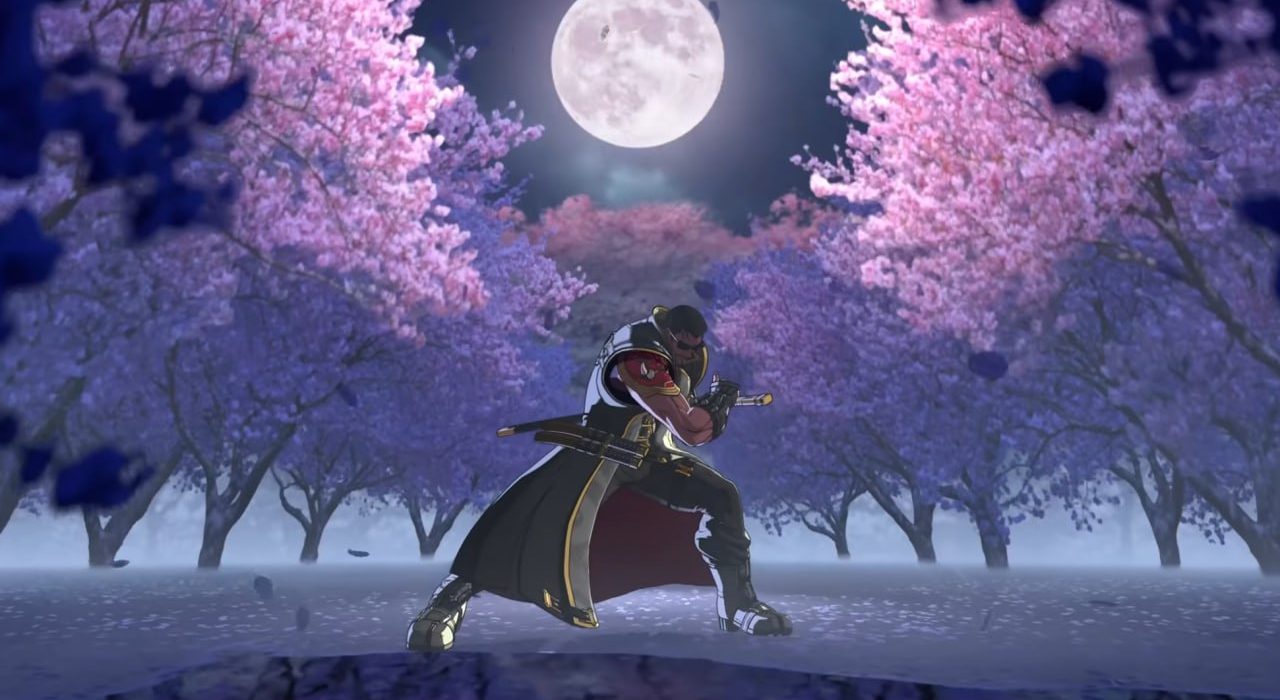
Between technical problems, criticism from competitive players, and sky-high expectations, the MARVEL Tōkon Open Beta left many questions unanswered. But is gameplay really the problem?
Just a few hours after the MARVEL Tōkon Open Beta began, PlayStation Network services went offline for more than five hours, severely affecting the fighting game’s debut.
As a title published in collaboration with PlayStation, even the PC version requires players to sign in with a PlayStation Network account. This decision has raised concerns among parts of the community, especially considering the security issues that have affected the service in the past.
To some extent, this was not entirely unexpected. Arc System Works is generally considered a guarantee when it comes to fighting game mechanics, but some of its previous releases have suffered from technical problems, particularly around launch.
One of the most notable examples was Guilty Gear Strive, which initially featured unusually long loading times when connecting to its servers, alongside several performance issues reported by the community.
Having played MARVEL Tōkon on PC through Steam, I can confirm that several technical aspects remain concerning for a beta released so close to launch.
The technical problems affecting the Open Beta
During my time with the beta, I encountered several issues.
Using Alt+Tab while playing in fullscreen mode caused instability, while sharing the game window through Discord resulted in significant framerate drops that made the experience far less enjoyable.
Some of the information presented within the game also appeared to contain errors. In Blade’s command list, for example, I found two different moves described as though they were performed using the same input sequence.
Matchmaking was the most problematic aspect, at least in my experience at Diamond I rank. The game often struggled to find an opponent, and when it finally did, matches sometimes reached as many as eight rollback frames, noticeably compromising their quality.
These are serious concerns, particularly for a fighting game that aims to establish itself within the competitive scene. However, once the technical problems are set aside, the discussion around MARVEL Tōkon becomes considerably more interesting.
A difficult design philosophy that may actually work
I will not go too deeply into the game’s more advanced mechanics, but several design decisions stood out positively during the Open Beta.
MARVEL Tōkon appears to be attempting something difficult: preserving the speed and spectacle associated with Arc System Works while making the team fighter formula more accessible and less punishing.
One health bar for the entire team
The decision to use a single health bar for the entire team significantly changes how players approach the game.
You do not necessarily need to master all four characters at the same level. This makes entering the genre less intimidating for players experiencing a team fighter for the first time.
Instead of forcing newcomers to learn four complete characters immediately, the system allows them to rely more heavily on their preferred fighters while gradually becoming familiar with the rest of the team.
Combo damage feels well controlled
Combo damage generally appeared well balanced during the beta.
I did not encounter sequences capable of eliminating an entire team from a single mistake, as can sometimes happen in games such as Dragon Ball FighterZ or 2XKO.
MARVEL Tōkon also handles resources differently. Additional support options become available as rounds progress or when an opponent is knocked out of the stage. This gives each match a very different rhythm compared with other titles in the genre.
During the opening moments of a round, players cannot immediately access their full offensive potential. They must gradually build pressure, unlock additional options, and decide whether to spend their resources to extend a combo.
The result is a sense of escalation: rounds become increasingly chaotic and spectacular, but they do not necessarily begin at maximum intensity.
More versatile wake-up options
One of the elements I appreciated most was the wake-up system.
MARVEL Tōkon provides several recovery options reminiscent of both Dragon Ball FighterZ and 2XKO, adopting a less punitive approach towards the defending player.
The forward roll, for example, allows a player to escape a wall-pressure situation relatively quickly. This reduces the feeling of being trapped for an extended period with very few meaningful defensive choices.
It is a different philosophy from games such as Street Fighter, where corner control is one of the most decisive aspects of a match and escaping requires considerable defensive knowledge.
This does not mean that pressure is ineffective in MARVEL Tōkon. Rather, defenders appear to have more opportunities to reposition themselves and return to a neutral situation.
Recoverable health provides another chance
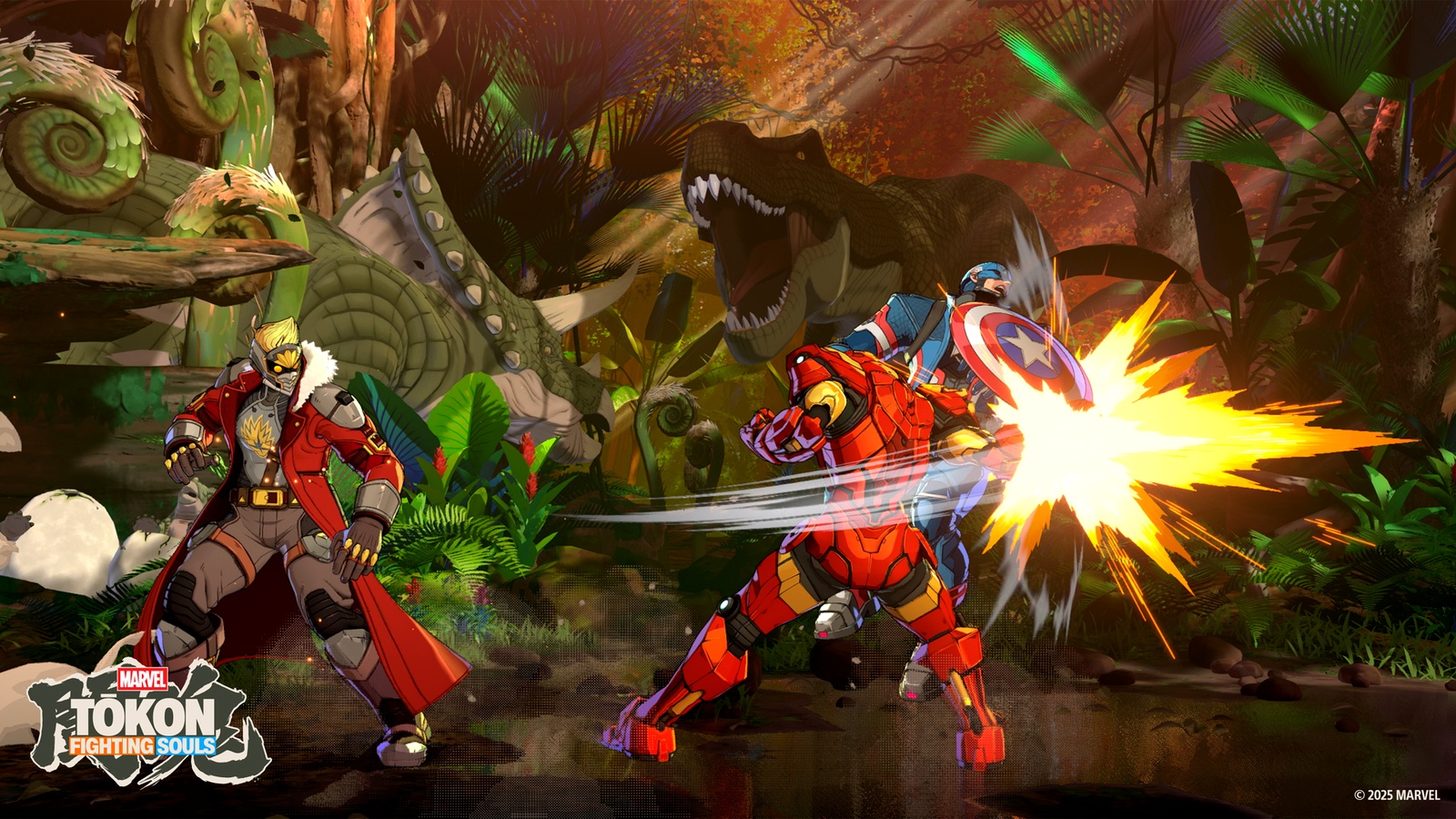
MARVEL Tōkon also features a second layer of recoverable health.
When the active character and an assist are hit at the same time, part of the damage they receive remains recoverable. In many other team fighters, a situation like this can result in the loss of a character within seconds.
In Tōkon, at least during the beta, the system leaves more room for recovery and counterplay.
This supports the game’s broader focus on survivability. A single mistake can still be costly, but it is less likely to decide the entire match immediately.
A defined limit on combo length
The game also places a clear limit on the length of its combos.
This prevents every successful opening from turning into an excessively long sequence and helps maintain interaction between the two players—one of the most widely discussed issues surrounding modern team fighters.
Long combos can be technically impressive, but they can also leave the defending player unable to participate for extended periods. MARVEL Tōkon appears to be looking for a compromise between combo creativity and continued player involvement.
Traditional inputs are still rewarded
I also appreciated the decision to reward traditional motion inputs with a slight increase in damage.
The difference is not enormous, but it provides an incentive for players who want to learn classic fighting game commands without heavily penalising those who prefer simplified controls.
This is a sensible middle ground. Accessibility does not remove mechanical depth, while more experienced players still receive a small reward for executing the traditional input.
The real concern may be future balancing
If I had to identify one major concern, it would be the game’s long-term balance.
As new characters, assists, and seasonal mechanics are introduced, maintaining a healthy competitive ecosystem will become increasingly difficult.
This is a common problem across all team fighters. The number of possible combinations grows rapidly, and even a single unusually powerful assist or character interaction can reshape the entire metagame.
It will therefore be interesting to see how Arc System Works approaches balance updates once players begin exploring the game at a higher competitive level.
When previous mistakes become experience
While playing the Open Beta, I had the impression that MARVEL Tōkon was not created simply to inherit the legacy of Dragon Ball FighterZ.
Instead, it seems designed as a direct response to many of the criticisms that the competitive community has directed towards Arc System Works’ team fighters over the years.
Less explosive combo damage, resources that must be gradually unlocked, more versatile wake-up options, recoverable health designed to improve survivability, and motion inputs that reward traditional execution all appear to follow the same philosophy.
The objective seems to be preserving the visual spectacle associated with the studio while reducing some of the situations that have caused frustration within the competitive scene.
If this was genuinely Arc System Works’ intention, MARVEL Tōkon could become the most mature team fighter the studio has produced so far.
Naturally, months of tournaments, balance updates, and high-level competition will be required before that impression can be confirmed. Nevertheless, the foundations shown during the Open Beta suggest that the developers may have found a promising balance between spectacle, accessibility, and competitive depth.
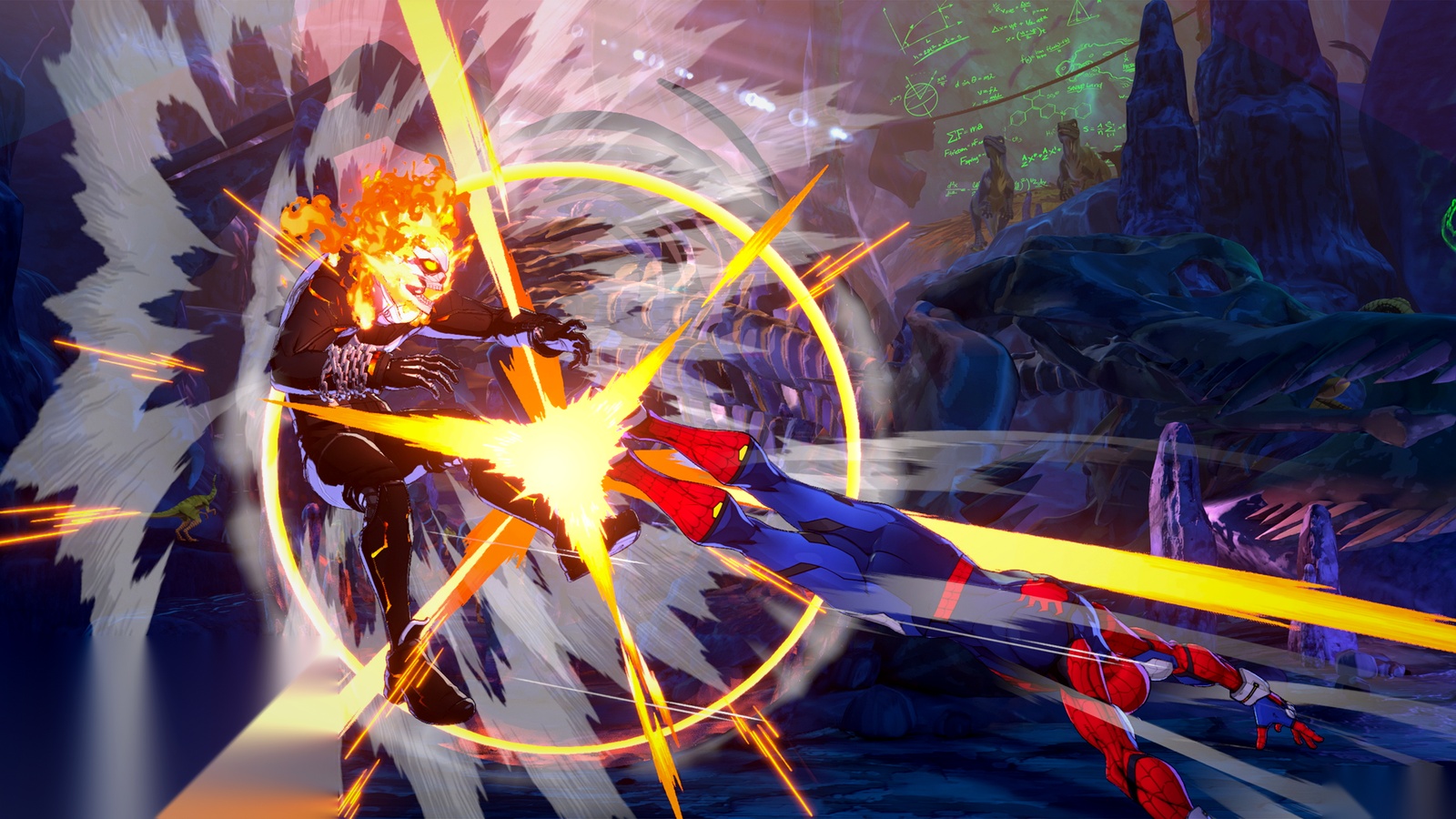
Are the criticisms really about the gameplay?
MARVEL Tōkon is still emerging from an Open Beta, and its final balance can only be properly evaluated after months of competitive play.
The technical problems are real and should not be dismissed. Matchmaking difficulties, unstable performance, rollback issues, and unclear in-game information can all damage the experience, regardless of how strong the underlying combat system may be.
However, those problems should not necessarily be confused with flaws in the gameplay itself.
The design choices seen so far suggest that Arc System Works has approached some of the limitations of its previous team fighters with greater awareness. The studio appears to understand where excessive damage, prolonged combos, limited defensive options, and overwhelming team complexity can create frustration.
Should this direction remain consistent through launch and the following seasons, MARVEL Tōkon may earn a prominent place within the competitive fighting game landscape.
For now, the Open Beta has left us with a game whose technical execution still raises legitimate concerns, but whose actual gameplay may be far more thoughtful than some of the initial criticism suggests.
This tracks with what I’ve seen too — most of the complaints in my feed are about matchmaking and the PSN outage, not the actual neutral/combo game. The single team health bar + recoverable health combo is honestly one of the more thoughtful anti-frustration systems I’ve seen in a team fighter in a while.