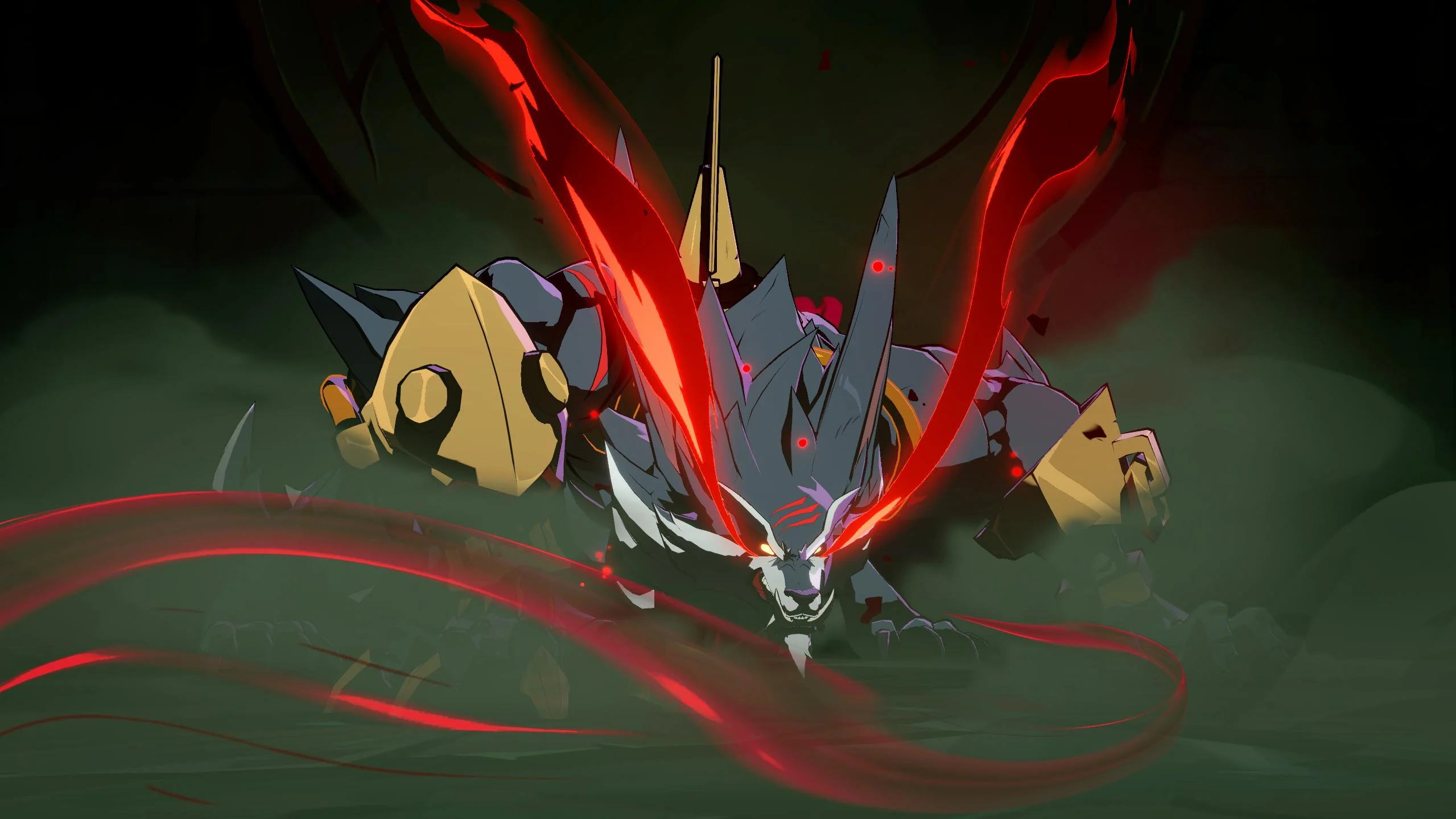
2XKO is dead before it could truly prove itself

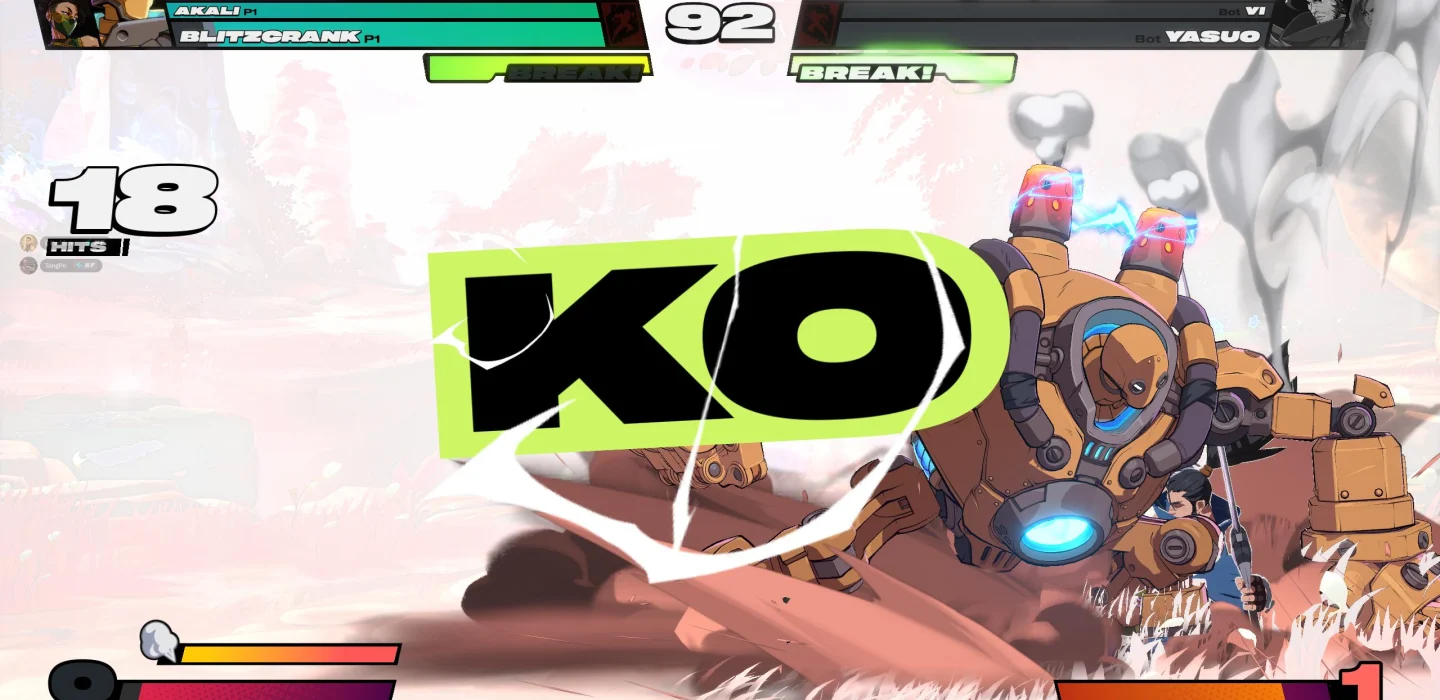
Unfortunately, it’s official.
Some news simply hurts when you love fighting games and this is one of those stories.
Riot Games has confirmed that active development on 2XKO will end at the end of 2026. The game itself is not shutting down: servers will remain online, 2XKO will continue to be playable on PC, PlayStation 5 and Xbox Series X|S, and both Lux and Samira are still coming before the end.
But after Samira arrives with the final major content update in October, followed by a possible final bug-fixing patch in December, 2XKO will effectively enter maintenance mode.
Riot’s explanation is as clear as it is painful: not enough players stayed with the game to make continued development sustainable.
Put that way, 2XKO could easily sound like just another live-service game that failed to survive, but 2XKO was never just another project.
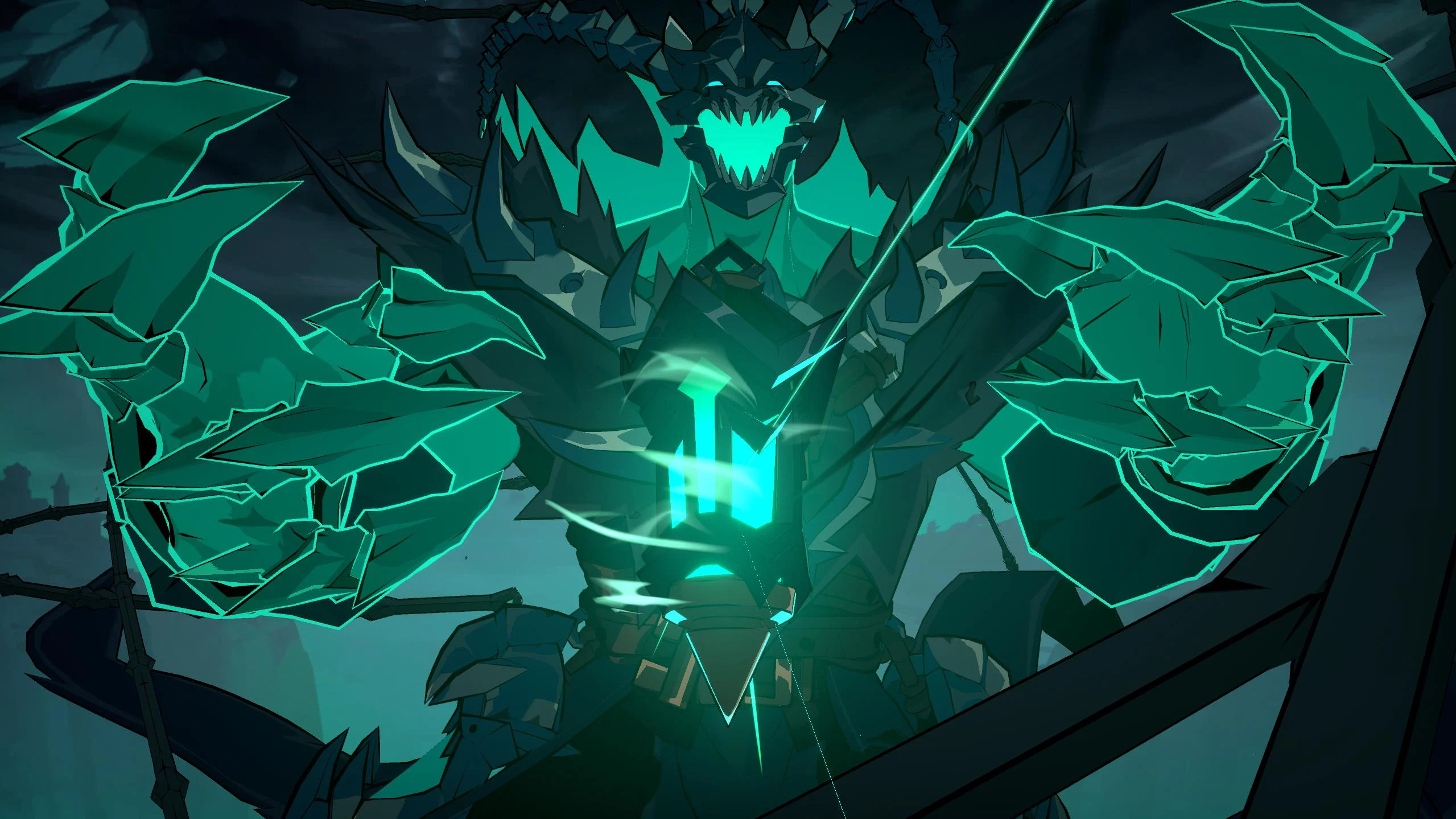
Almost ten years in the making
The story of 2XKO began long before it had a final name.
In 2016, Riot Games acquired Radiant Entertainment, the studio founded by Tom and Tony Cannon, two figures who need very little introduction within the fighting game community.
Then, in 2019, Riot officially revealed what we knew at the time as Project L, a fighting game set in the League of Legends universe. From those foundations to the end of active development, nearly a decade will have passed.
Years of development, experimentation, prototypes, major design changes and repeated attempts to find the right direction.
And when that direction finally emerged, it was considerably different from what many players originally expected.
2XKO did not lack money, or the FGC
Riot had resources that most fighting game developers can only dream of. But more importantly, 2XKO was not developed while ignoring the FGC.
Competitive players and fighting game communities were involved throughout its long development cycle, with Riot gathering feedback, testing ideas and gradually refining the game.
The ambition was clear: create a fighting game that the FGC could invest in not just for a few seasons, but potentially for years. What eventually emerged was one of the most distinctive tag fighters of its generation.
It would be too simplistic to say that 2XKO was just League of Legends turned into a fighting game.
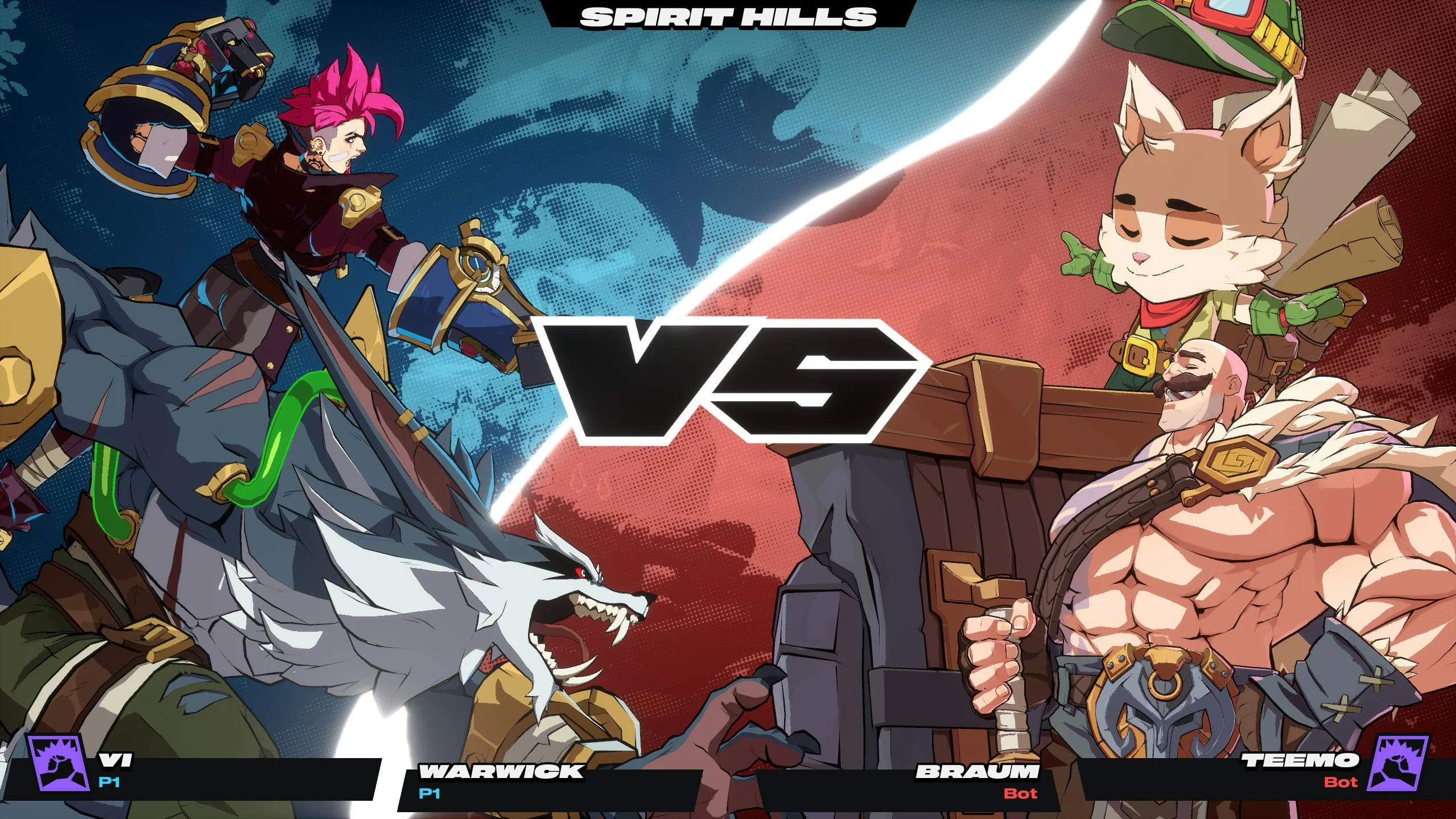
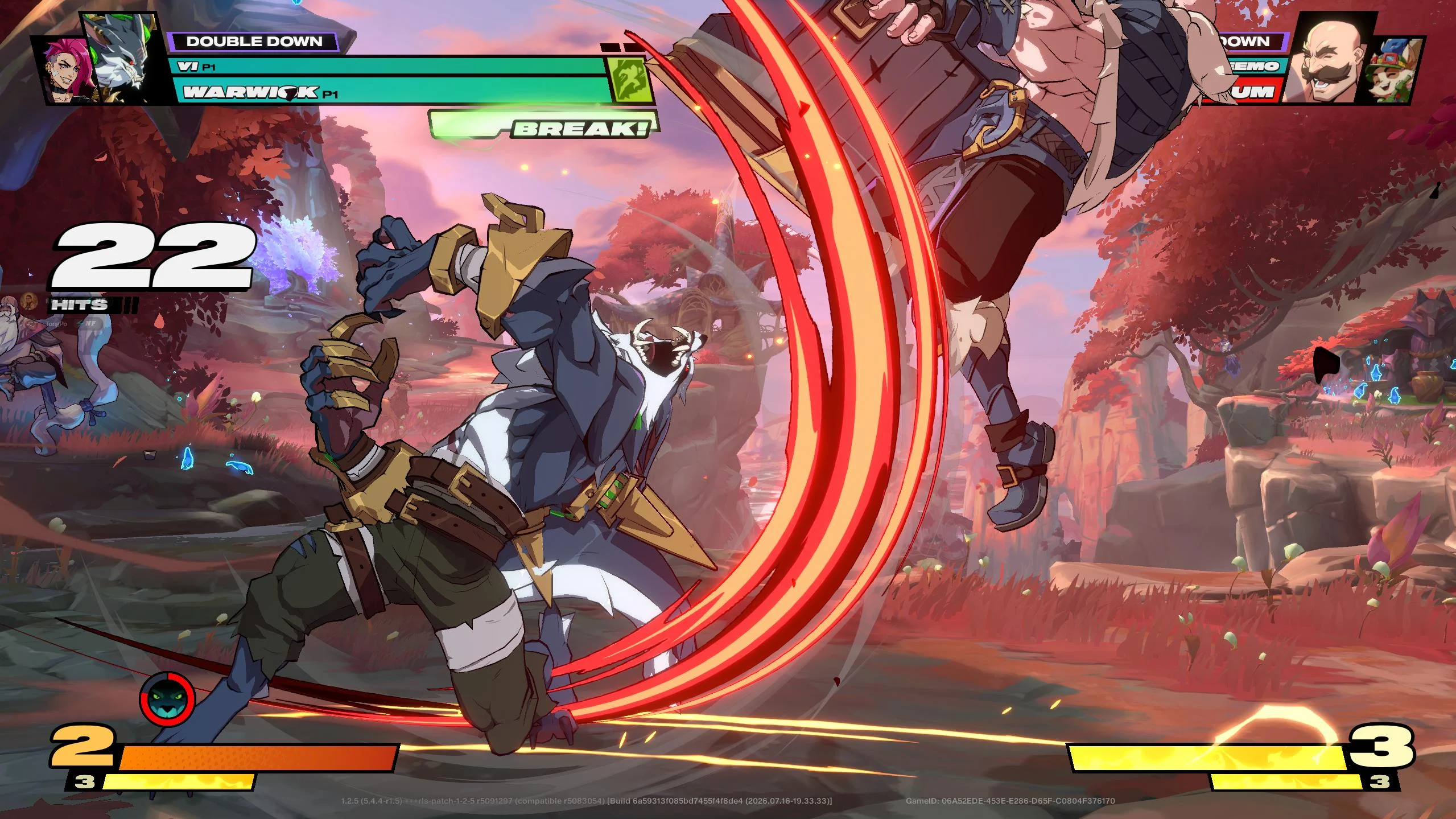
It was actually an extremely fast-paced 2v2 fighter built around assists, tags and the Fuse system, capable of producing situations and team dynamics that are difficult to find elsewhere in the genre.
It had its own identity, exactly what makes its fate so frustrating.
Did Riot simply expect too much from 2XKO?
Perhaps the problem was never only the game itself? Riot did not merely want to make a good fighting game, this much is clear.
Riot wanted to create a title that could enter the market backed by one of the biggest gaming universes in the world, adopt a free-to-play model, appeal to experienced fighting game players and, at the same time, attract potentially millions of players coming from League of Legends.
Those were enormous expectations, perhaps impossibly high ones, and there is also a broader pattern worth considering.
Hytale is an interesting example. Riot acquired Hypixel Studios in 2020 after the project generated extraordinary early attention. Development was eventually cancelled in June 2025 and the studio began winding down, although the story did not end there: later that year, Hytale was reacquired by its original founders and development resumed independently from Riot.
The two situations are obviously not identical, but they illustrate something about the scale surrounding Riot-backed projects: once expectations become enormous, simply being promising may no longer be enough.
And expectations around 2XKO were particularly high.
We still do not know how many players 2XKO actually had
There is another important detail.
Riot has not disclosed the total size of 2XKO’s active playerbase.
What the company did reveal is that it evaluated retention, new-player acquisition, engagement and revenue throughout 2026 and concluded that the game was not moving toward a sustainable future.
New champions, major updates, PvE content and competitive events all produced moments of increased interest. But according to Riot, none of them created a meaningful and sustained change in the game’s overall trajectory.
But we do not know exactly how large 2XKO’s problem was in absolute numbers.
What we do know is that Riot considered it serious enough that another full year of active development could no longer be justified.
2XKO will leave a real gap in fighting games
Probably the hardest part to accept. We can debate 2XKO’s design choices for hours, we can criticise its launch, marketing, live-service structure, monetisation, free-to-play model or any number of decisions made throughout its development.
But reducing its story to “2XKO was simply a bad game” would be unfair. It had problems, yes, but at the same time it also had something incredibly important for any fighting game:
direction.
2XKO tried to take the tag fighter formula and turn it into something fast, accessible and spectacular.
It had systems designed around people playing together. It had an extremely strong visual identity. And it had access to one of the most recognisable universes in modern gaming.
Most importantly, 2XKO still had room to grow, that is what hurts most.
We are not saying goodbye to a fighting game that had already explored every idea it had to offer but we are watching active development end on a title that, given more time and a larger community, might have continued evolving and eventually found its permanent place within the FGC.
That future is now unfortunately gone.
Fighting games are losing one of their most interesting alternatives
The 2D fighting game landscape is losing a game with an insufficient playerbase, like there are a ton out there, but in this case it is losing with it one of its more unusual alternatives.
Maybe 2XKO never became the giant Riot hoped it would be, Maybe it never attracted the number of players required to survive under the business model built around it, but all of that can’t erase what the game was trying to do.
But that does not erase what the game was trying to do. When active development ends, 2XKO will leave behind a gap in the fighting game landscape, and a small but painful reminder that even almost a decade of development, enormous resources, one of gaming’s biggest IPs and direct involvement from the FGC are not necessarily enough.
And for people who genuinely love fighting games, that is the saddest truth.