Marvel Tōkon Beyond the Day One Noise: Worth Playing

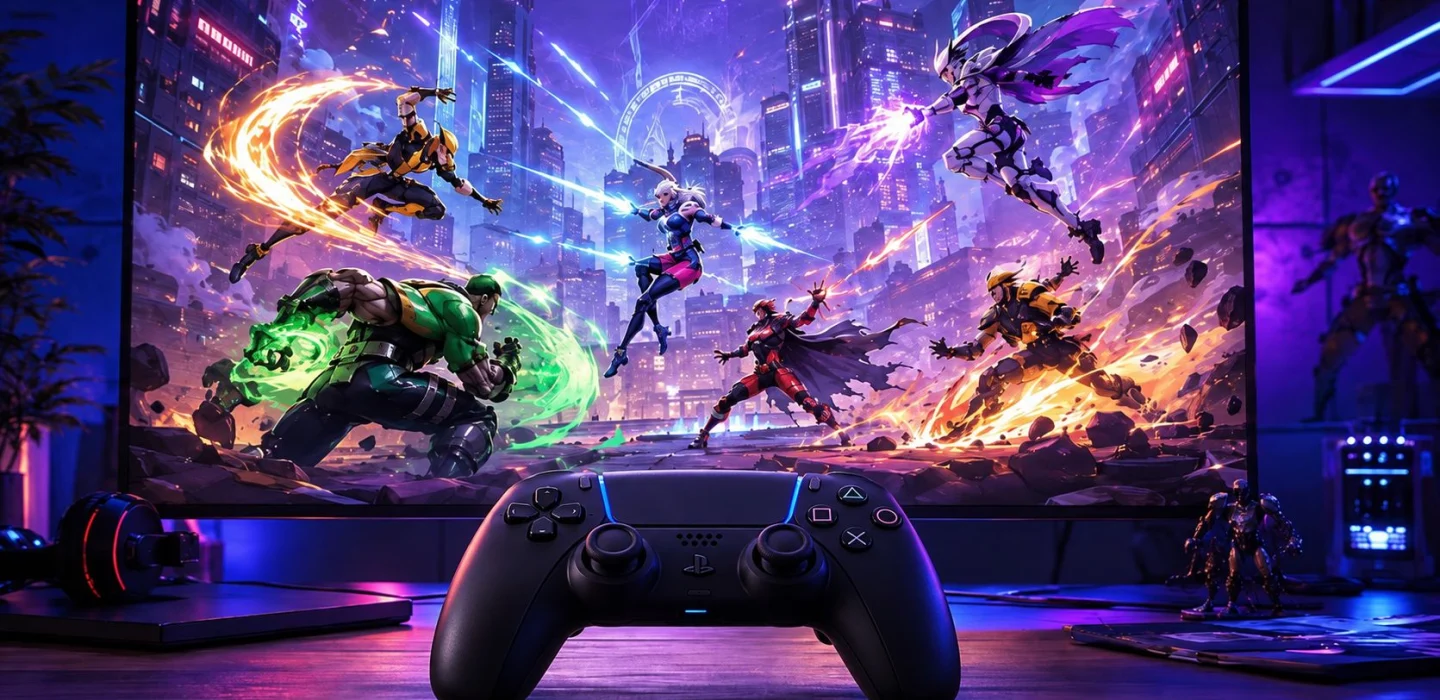
Marvel Tōkon’s Day One was anything but smooth.
Just hours after release, social media and several gaming outlets started focusing on the game’s technical issues. In some cases, the launch was even described as a “disaster.”
The problems are real and pretending otherwise would be pointless.
But there is an important difference between criticising a launch and judging an entire game based on its first few hours.
After spending time with Marvel Tōkon I want to put the Day One noise aside for a moment and focus on something more important: what the game actually offers once you start playing it.
First things first: what are you actually buying?
Let’s start with the price. €70 is a lot of money, especially for a fighting game that will eventually receive additional characters and content through DLC.
It is therefore perfectly reasonable to ask whether Marvel Tōkon offers enough to justify that price. For me, the answer starts with its content.
The Episode Mode is presented as a semi-animated comic book. Its story is written by Kieron Gillen, alongside several notable names from the industry, and works as a genuine love letter to Marvel’s publishing history.
It also allows players to unlock additional content and obtain The Champion as a playable character. That is something I particularly appreciated.
We have become used to fighting-game rosters being divided between characters available at launch and characters reserved for future DLC. Here, at least one character can still be earned simply by playing the game. And that matters.
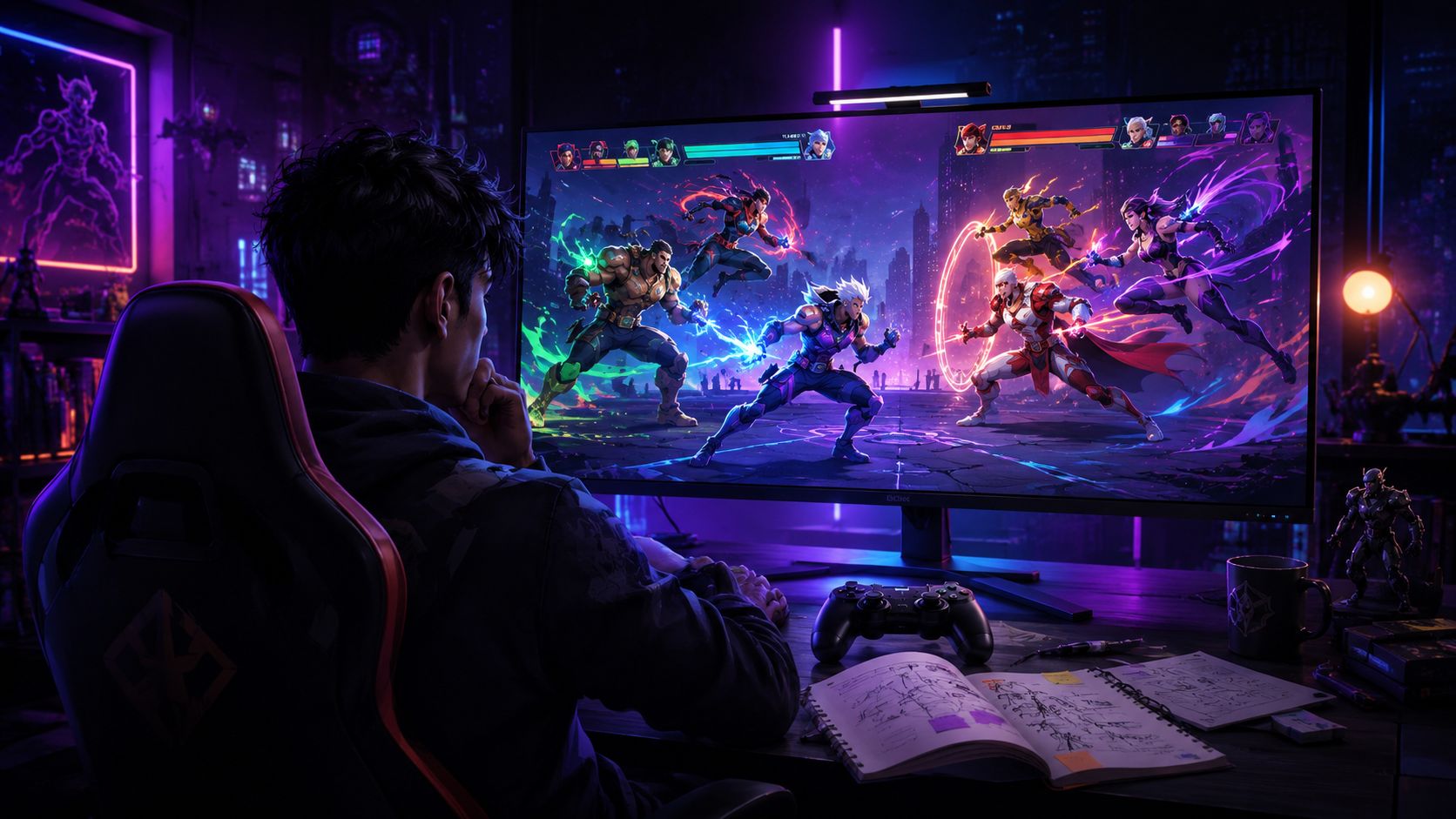
A fighting game that actually tries to teach you how to play
The real strength of Marvel Tōkon, however, is still its gameplay. A newcomer can buy a fighting game and immediately be faced with one very simple question:
“How am I actually supposed to play this?”
Very often, the answer is YouTube. Players end up searching for guides, combos, character explanations and community-made tutorials before they can properly understand the game.
Marvel Tōkon tries to reduce that dependency. Character tutorials are integrated directly into the game, alongside dedicated combo challenges.
For an experienced playerthat may sound like a minor feature, but for a newcomer it means being able to learn without constantly having to leave the game and search elsewhere for information.
More importantly, making a game easier to learn does not mean making it easier to master. That distinction is fundamental.
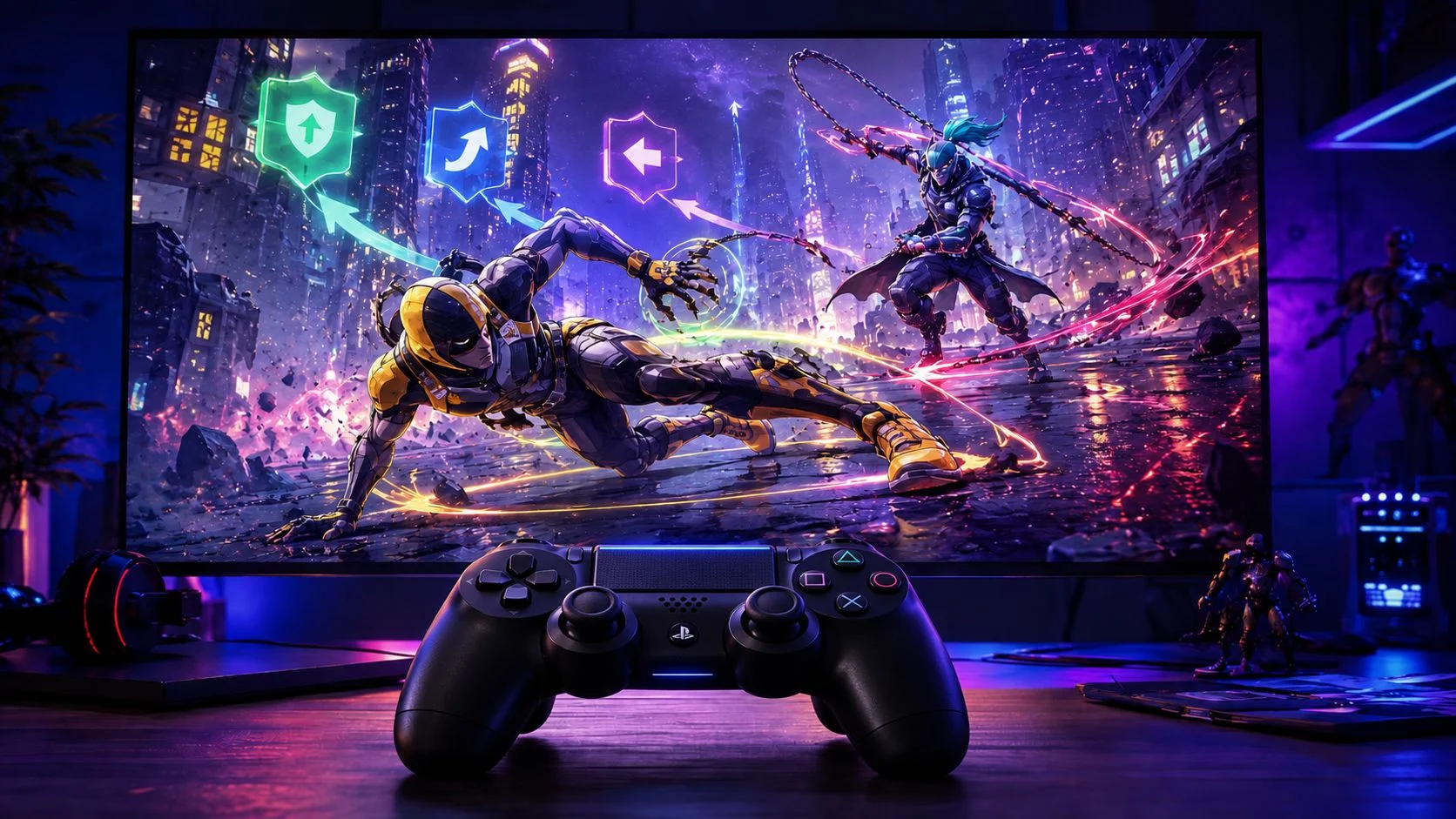
Accessible without sacrificing depth
Marvel Tōkon tries to find a middle ground between accessibility and competitive depth.
Simplified controls allow new players to enter the genre more easily, while traditional inputs continue to reward those who want to explore the system more deeply. This difference is important.
A fighting game that is too complex can push beginners away before they even understand what makes it interesting. But on the other hand, a game that simplifies too much can quickly lose the attention of more experienced players.
Tōkon tries to sit somewhere between those two extremes. And so far, that balance is one of the things I appreciate most about it.
Marvel Tōkon’s biggest strength: you can still play when you are on the ground
As a competitive fighting-game player, however, the mechanic that impressed me the most is Marvel Tōkon’s wake-up system.
In team fighters, being knocked down can very quickly turn into an extremely difficult situation.
For example, in Dragon Ball FighterZ, certain knockdown situations could force the defender to deal with highly structured pressure. Dash-ins, safe jumps and meaty attacks could cover several wake-up possibilities at once.
2XKO tried a different approach, among other things the game allows players to use a Front Roll to escape wall pressure quickly. And on paper that is a good solution.
The problem is that certain offensive choices can still cover multiple defensive options simultaneously. This highlights an important distinction:
Having many options on paper does not necessarily mean having many options that are realistically usable. Street Fighter follows a similarly harsh philosophy when it comes to corner pressure: once a player reaches the corner, the defender enters a heavily disadvantaged situation.
Marvel Tōkon seems interested in a different approach. Though its wake-up system does not remove the attacker’s advantage.
The thing is that the defender still has tools that allow them to continue playing the situation rather than simply enduring it. This is very interesting because being in the corner should mean being in trouble, but it should not necessarily mean the round is already over.
This philosophy applies to the ground game: even when a character is clearly disadvantaged, there are still tools available to try to regain initiative.
In a game this fast and dynamic, I think it needed to be this way, and fortunately it is.
Marvel Tōkon is not without flaws
None of this means Marvel Tōkon is perfect:
The price remains high.
Future DLC will play an important role in determining the game’s overall long-term value.
Balance will also need to be monitored carefully.
The roster will grow. New characters and assists will arrive, and additional mechanics could eventually be introduced as well. Keeping everything balanced will be challenging.
But those are different questions from judging what Marvel Tōkon offers right now. And right now, there is already a lot here that deserves attention.
Is Marvel Tōkon really worth €70?
If you are simply looking for a team fighter to play occasionally, €70 is difficult to justify.
If, however, you genuinely enjoy the genre and the Marvel universe, the conversation becomes much more interesting.
Marvel Tōkon is not perfect, mind you: and its Day One was certainly not perfect either.
And €70 is a significant asking price.
But reducing the entire game to its launch problems means stopping at the surface: once the Day One noise began to fade, what I think remained is a team fighter attempting something genuinely difficult.
It wants to be accessible without sacrificing depth. It wants to be spectacular without turning every mistake into an automatic sentence. And most importantly, it wants to give the defender a realistic opportunity to keep playing.
So, let’s ask again: is €70 too much?
And the answer is still yes, in my opinion. At the moment, I would not recommend Marvel Tōkon at full price.
At the same time, I would not describe it as a game whose value suddenly drops into the €30 – 40 range either. There is too much here for that.
In short: if you are looking for a more varied, flexible and mechanically interesting team fighter, Marvel Tōkon deserves to be taken seriously. But maybe wait for a discount if you don’t want (and rightfully so) pay the full hefty price.