
Tekken 8 Statuses: Know and Overcome Your Limits

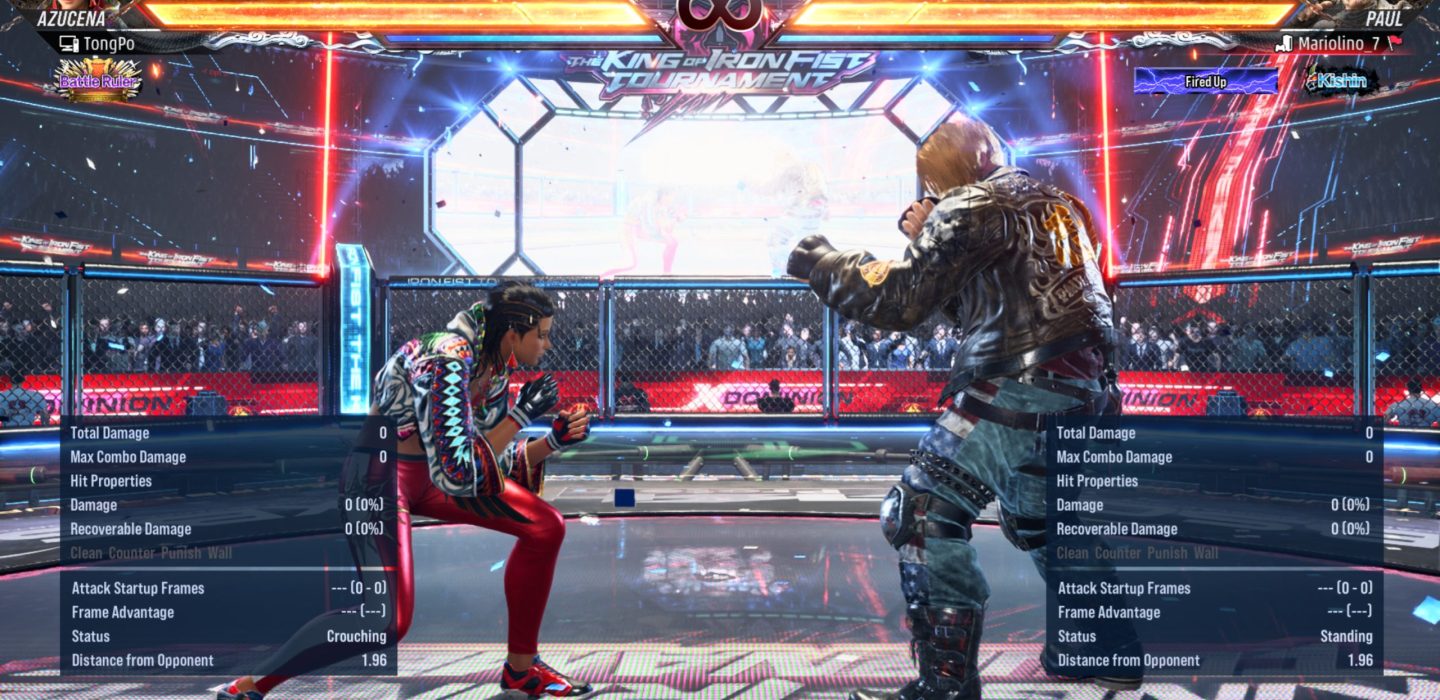
In Tekken (and in fighting games in general), “Statuses” describe the exact state a character is in at any given moment of a match.
This directly affects what the character can do, and what they are vulnerable to. In short, status defines your character’s possibilities and limits in that moment.
Let’s see what they are:
Standing
The Standing status is the normal state of the character when not doing anything special.
From this state:
- Standard neutral state (without any directional input, the character will block single attacks but not strings).
- You can perform any move: high, mid, low attacks, jumps, blocks.
- You can block both highs and mids.
- Vulnerable to lows.
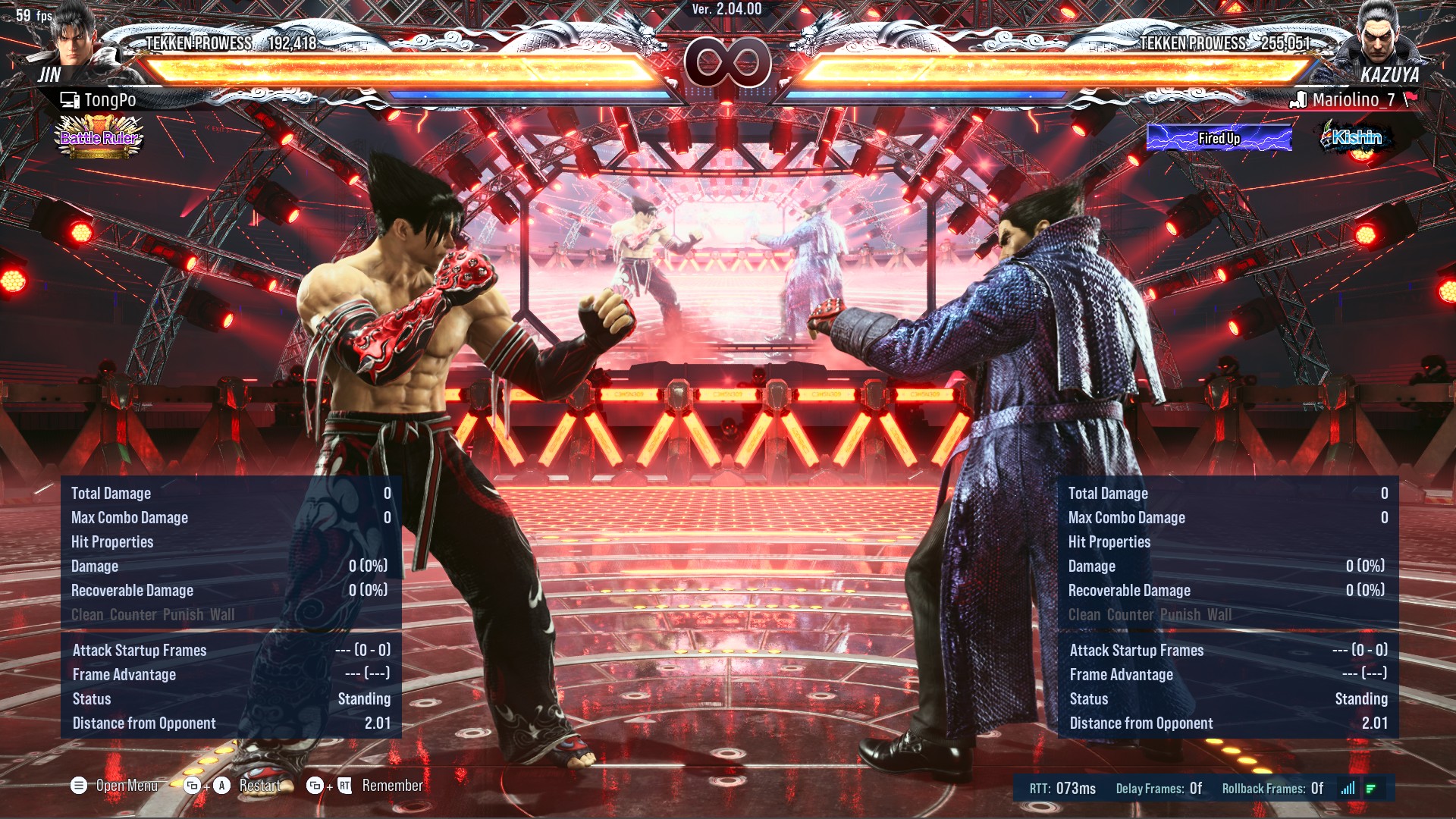
Crouching
When you are crouching, your status changes:
- You can switch from Standing to crouching simply by pressing ↙️ (also ⬇️, but with ↙️ you can also guard) or after certain moves, whether executed or taken.
- You can block low attacks.
- You cannot block mids!
- High attacks will whiff against you (“ducked”).
- You cannot use the same moves you would from Standing.
- You have access to special crouching moves (also called Full Crouch, abbreviated FC) or While Standing moves.
While Standing (WS)
Note: This status is not shown in the frame data, but deserves a clear explanation.
The While Standing (WS) status is a transitional state that occurs when you rise from a crouching position and press an attack button immediately after releasing ⬇️.
The official notation adopted by Tekken is “While Rising”, as the status takes place while you are getting up.
While Standing (WS) is predominantly used instead, since the notation WR is reserved for “While Running”, meaning the character is in motion, thus avoiding potential misunderstandings.
Main characteristics:
- You can activate the WS status in two ways:
- From crouch (↙️), release the direction, then press an attack button.
- Use a move that puts you into crouch (e.g., generic ⬇️+4, crouch jab), then perform an attack as you return to standing.
- WS moves are different from those executable from a normal standing position!
Example: WS2 for many characters is an important move, not executable if you are fully standing.
Airborne
When you are in the air (jumping or launched):
- You cannot block.
- You cannot attack, except in certain cases.
- Vulnerable to juggles.
- You get dealt reduced but guaranteed damage.
Grounded / Knockdown
When a character is knocked down by a strong attack (sweep, launcher, CH, wall combo, etc.), they enter the Grounded status.
Possible positions:
- FUFT = Face Up, Feet Toward (face up, feet toward the opponent)
- FDFT = Face Down, Feet Toward
- FUFW = Face Up, Feet Away
- FDFW = Face Down, Feet Away
Each position changes your options: roll, get up, attack.
Ukemi (Techroll) allows you to get up safely (1, ⬇️+1, 3, ⬇️+3 during fall; you can also use 2 or 4 instead of 1 or 3).
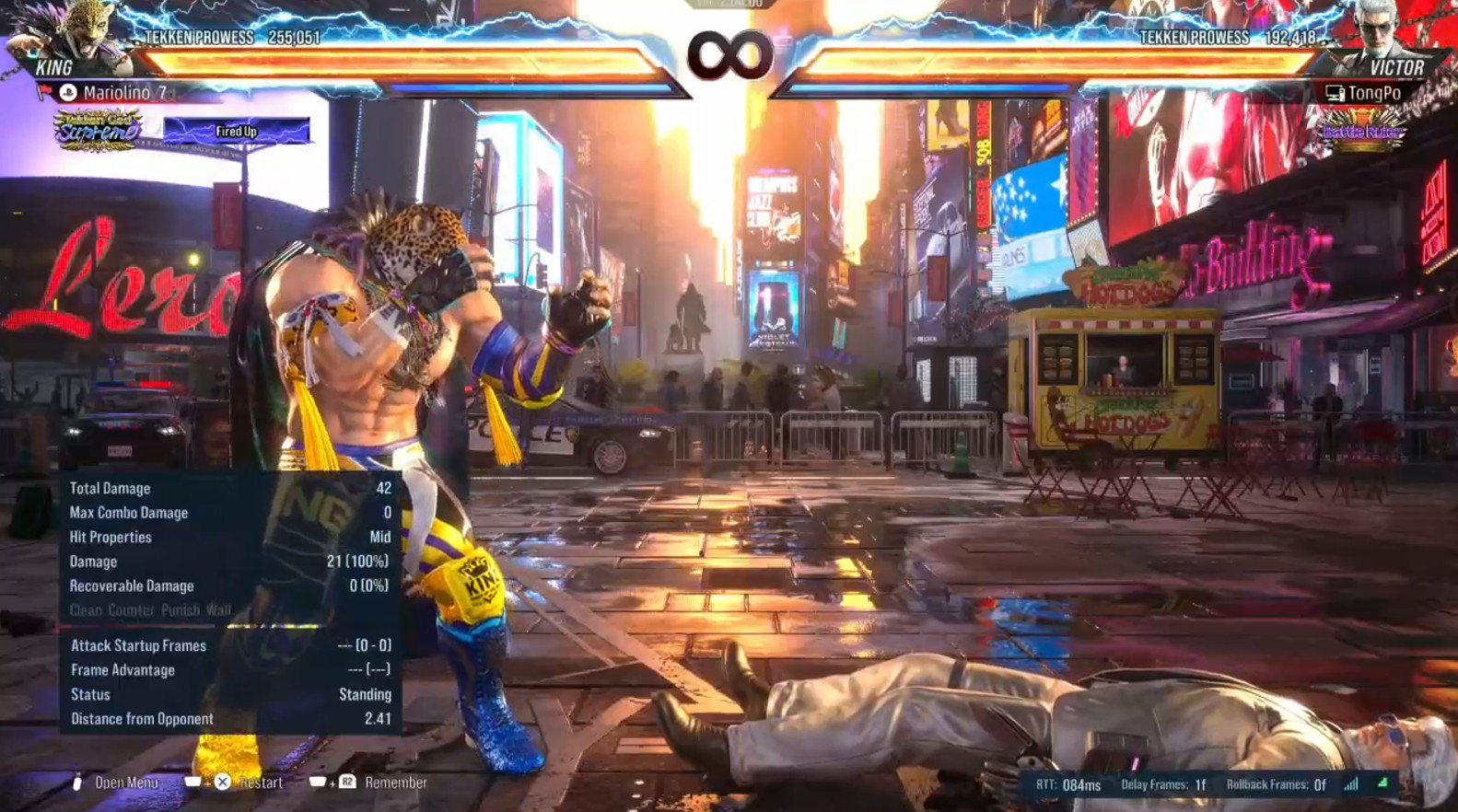
Counter Hit (CH)
Occurs when you hit an opponent during the startup of their attack.
- Grants extra effects: more damage, knockdown, guaranteed combos, stuns.
- Some moves are useful only on CH.
Recovery / Whiff Recovery
A state of vulnerability after missing an attack (whiff).
- You cannot block or move for a few frames.
- Whiffs can be punished by observant opponents.
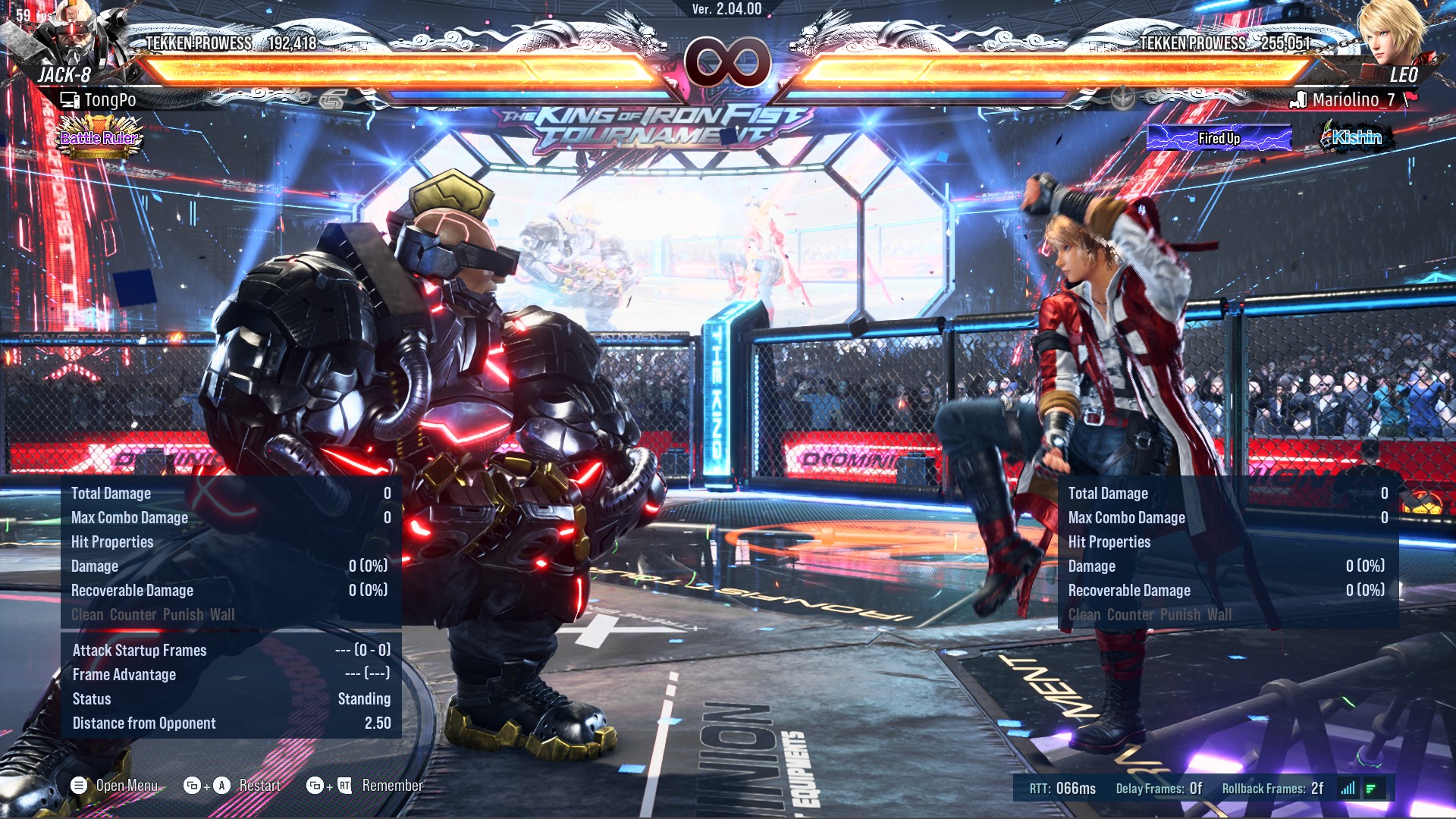
Running
The run (➡️➡️➡️) is a fast forward movement state.
- Used to close the gap quickly (note: some guides use WR = While Running).
- Some moves are executable only from running (➡️➡️➡️ + input).
- Be careful: often you’re more vulnerable during a dash if not cancelled or ended in time.
From a full run (three steps):
- ➡️➡️➡️ + 4: Running Slide (low hit surprise).
- ➡️➡️➡️ + 1+2 (after 3 steps) Running Cross Arm Dive (mid hit to quickly close distance and reset to neutral — the later it’s blocked, the more advantage it gives).
- No attack during running after 3 steps: Running Shoulder (armor property, knocks down on hit, strong advantage on block).
Stances / Special Positions
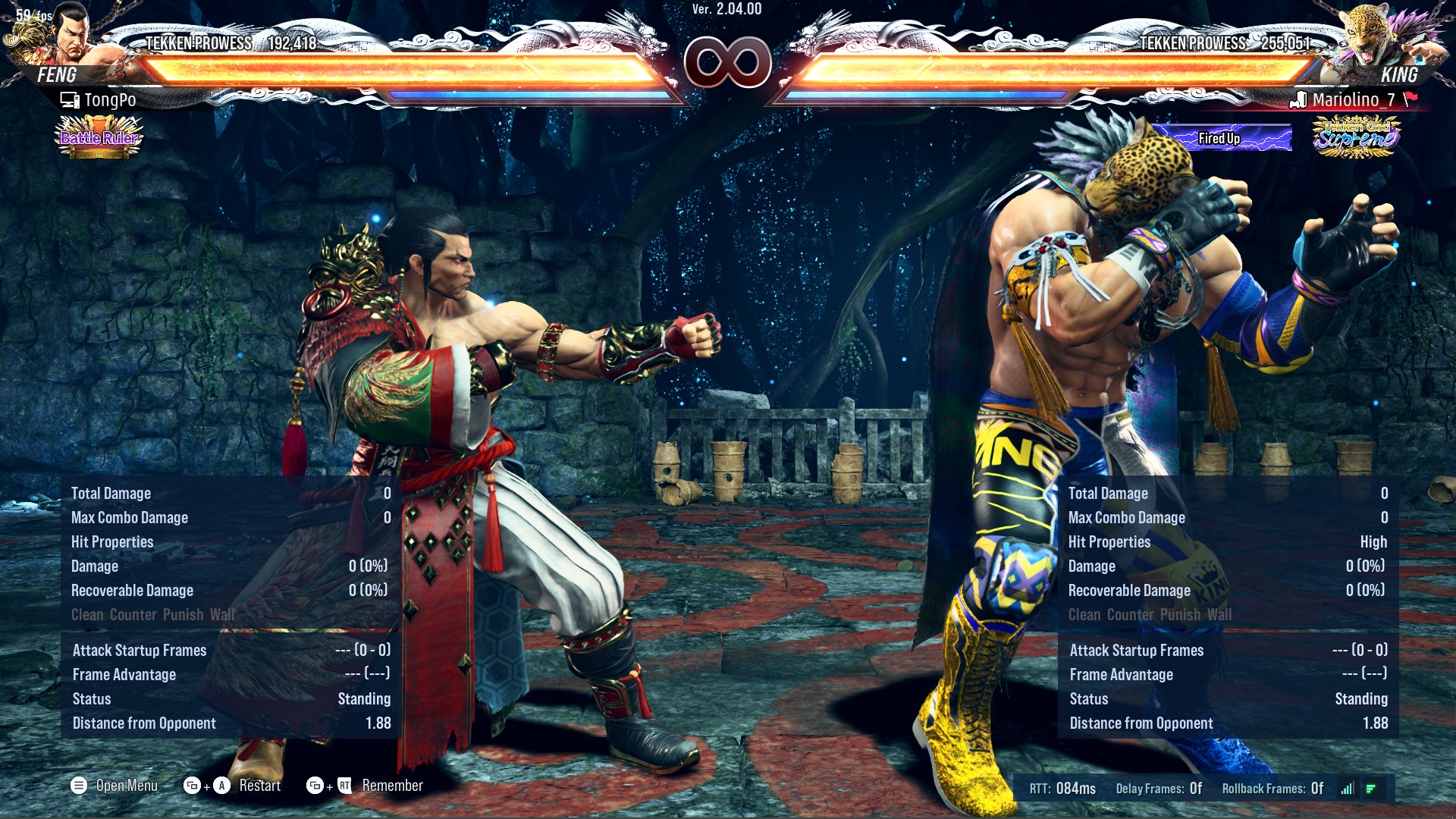
Some characters enter unique stances (e.g., Hwoarang, Zafina): those are specific positions.
- Each stance has different rules:
- Some auto-evade.
- Others can only be hit by specific attack types.
- They can transition into other stances.
A stance is itself a limitation (you can’t use your neutral moves while in it). There are two kinds of stances:
Static Stances:
Limit even basic defensive options (standing guard, crouch guard, sidestep) or cannot be cancelled, or they lock movement.
Dynamic Stances:
Last only a few frames, often part of movement maneuvers, or are so versatile that they don’t limit the character (e.g., Lee’s 3+4, cancellable with ⬇️, ↙️, ⬅️ or ⬇️, ↘️, ⬅️ and can sidestep).
Back Turned (BT)
You’re facing away from your opponent, intentionally or after certain moves.
- Cannot block front attacks.
- Some moves put you in BT (e.g., certain evasive attacks).
- Exclusive BT moves exist (BT + input).
Special Animations
Crumple / Stagger / Special Stun
Special effects triggered by taking or blocking certain moves.
- Crumple Stun: stagger holding shin, big advantage but nothing guaranteed.
- Stagger Stun: triggered when blocking specific lows, leaves you stunned briefly.
The first allows good mix-ups.
The second allows devastating punishments (on block).
Wall Splat
Happens when hitting an opponent with a mid attack, back to the wall.
They fall face-first toward you the entire time, unlike any other knockdown animation.
Opponent is stunned at the wall, unable to defend.