Movement: How to Be like Water

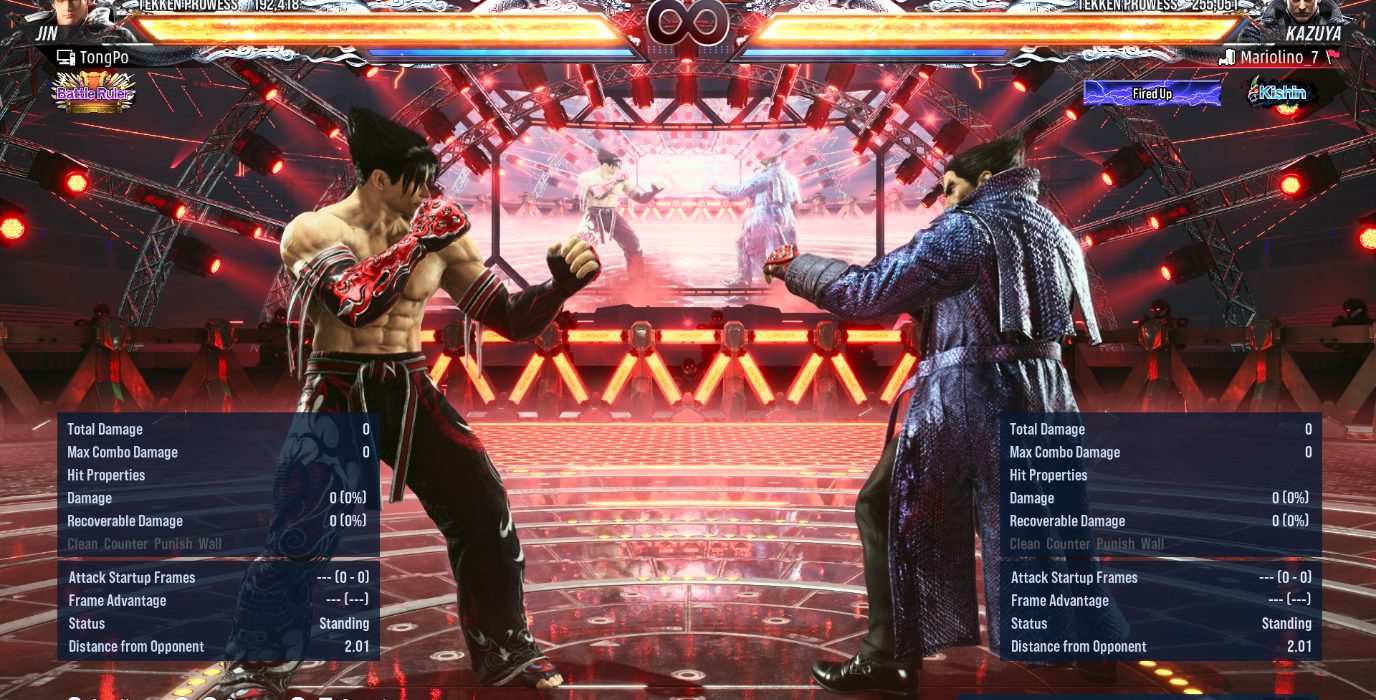
Movement is one of the most crucial foundations in competitive Tekken 8. It’s what separates a beginner from a seasoned player.
In competitive play, movement is everything. It’s not just about moving left or right: it’s about controlling space, dodging attacks, and positioning yourself advantageously. A player who masters movement sets the pace of the match and creates serious problems for their opponent.
Unlike 2D fighters, a 3D fighting game offers full 360-degree freedom of movement and cancels (for example, you can move back, then immediately forward and block), creating dynamic rather than static gameplay.
So, let’s dive right into the essentials:
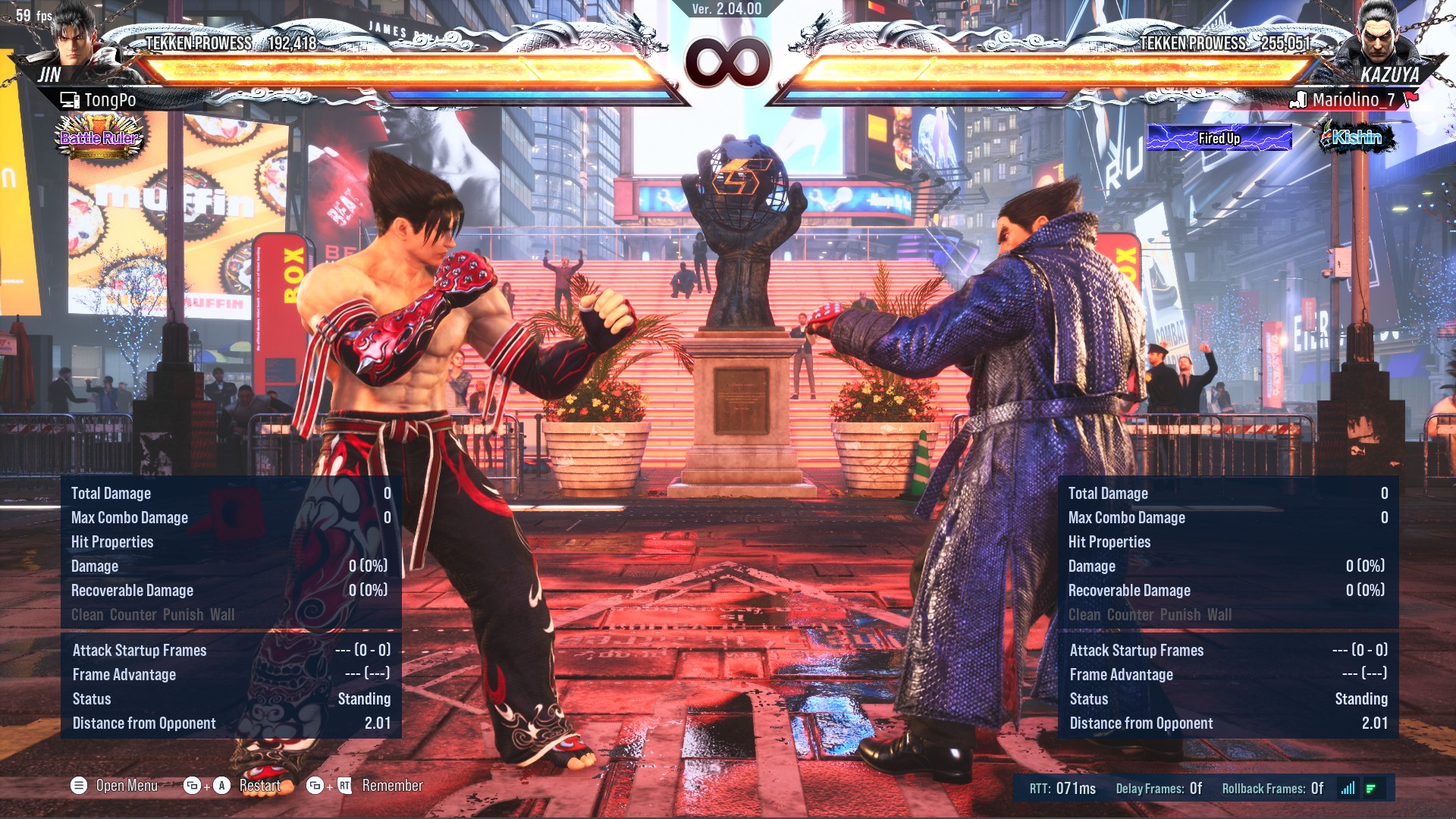
Beginner Movements
- Neutral (shown in move lists as: ☆)
The “Neutral” input is the state in which your character is neither moving nor attacking. It’s the base position from which all other movements originate: walking forward/backward, running, etc. - Forward (➡️ or f):
Moves the character toward the opponent. Used to apply pressure and close distance. - Backward (⬅️ or b):
Moves the character away from the opponent. Useful for creating space and defending. - Crouch (↙️ or ⬇️):
Many attacks can only be blocked while crouching, so this is a core defensive technique. - Forward Run (➡️➡️➡️ or f, f, f):
Press forward three times quickly to start a dash. Great for quickly closing gaps and executing running attacks. - Backdash (⬅️⬅️ or b, b):
A quick step backward used to create space and bait whiffs. You remain in a blocking state while doing this (distance covered varies per character). - Forward Dash (➡️➡️ or f, f):
Two quick taps forward trigger a dash. Effective for closing in and performing dash attacks (distance covered varies per character). - Jump (⬆️ or ↗ or ↖):
Characters can jump vertically, forward, or backward. Jumping is risky due to its slowness and vulnerability, but it can dodge low attacks and set up mix-ups.
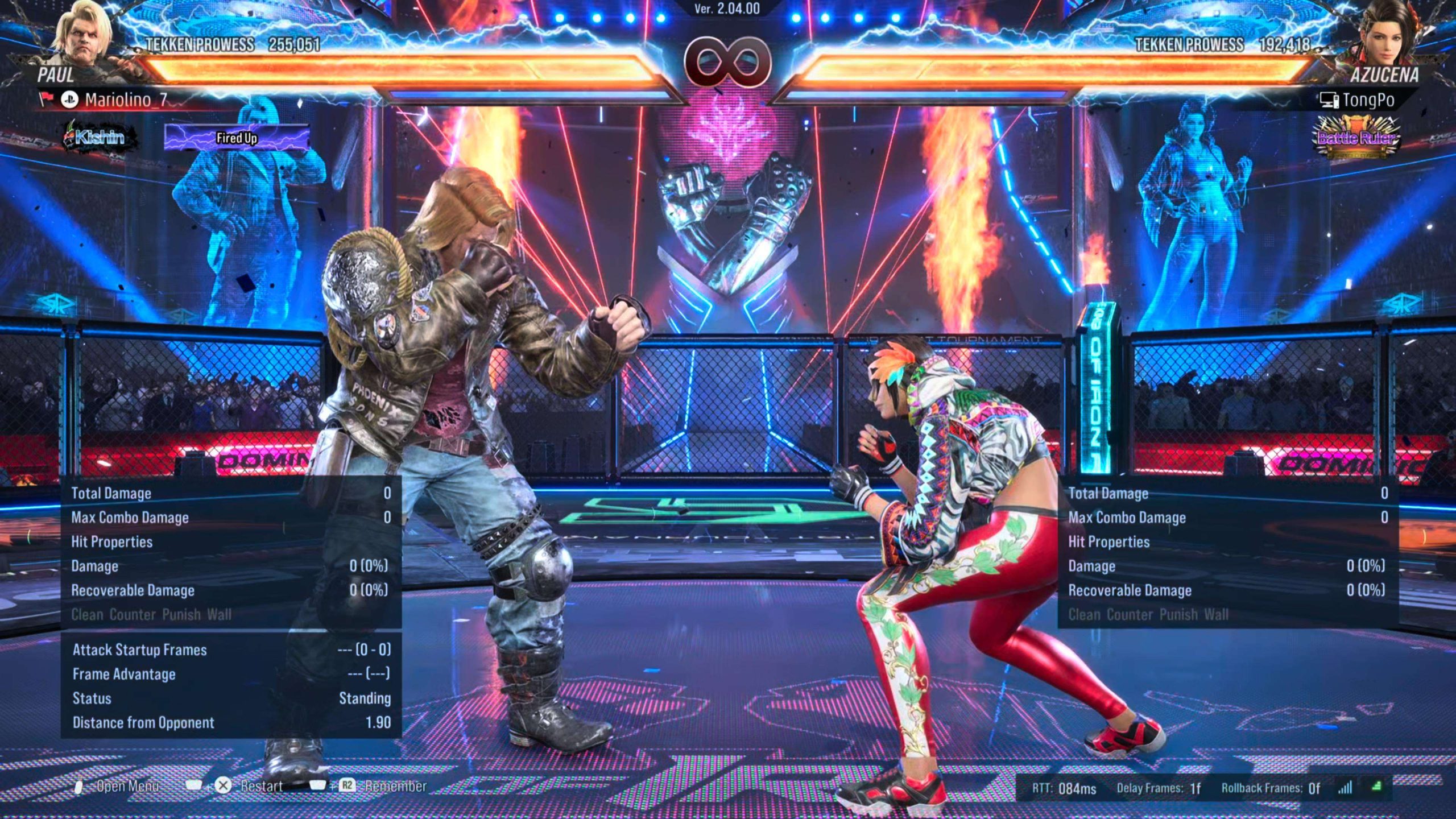
Intermediate Movements
Sidestep and Sidewalk
Tekken is a 3D game, which means you can shift into depth using sidestep (⬆️ ☆ or ⬇️).
- Sidesteps let you avoid linear moves and punish from the side.
- Sidewalk is a longer version of the sidestep, useful for fully dodging attacks or escaping pressure. However, certain attacks can beat sidewalk but not sidestep, making their application situational. Also, not all moves can be dodged from the same side—some are evaded only to the left, others only to the right. Studying this is essential!
- SnakeDash (⬅️⬅️, ⬆️☆, ⬅️⬅️, ⬇️☆…) is an intermediate technique that uses fast sidestep cancels to cut off the backdash animation. It’s the easiest entry point for movement cancels in defensive play.
- Fake KBD is a slightly more advanced method where the backdash animation is canceled with a quarter circle back input (⬇️↙️⬅️). It covers more ground than SnakeDash, helps you learn movement rhythm, works well in neutral, and visually resembles the full KBD (explained next).
All forms of backdash are essential for Whiff Punishing (hitting your opponent while their move misses) and for controlling spacing.
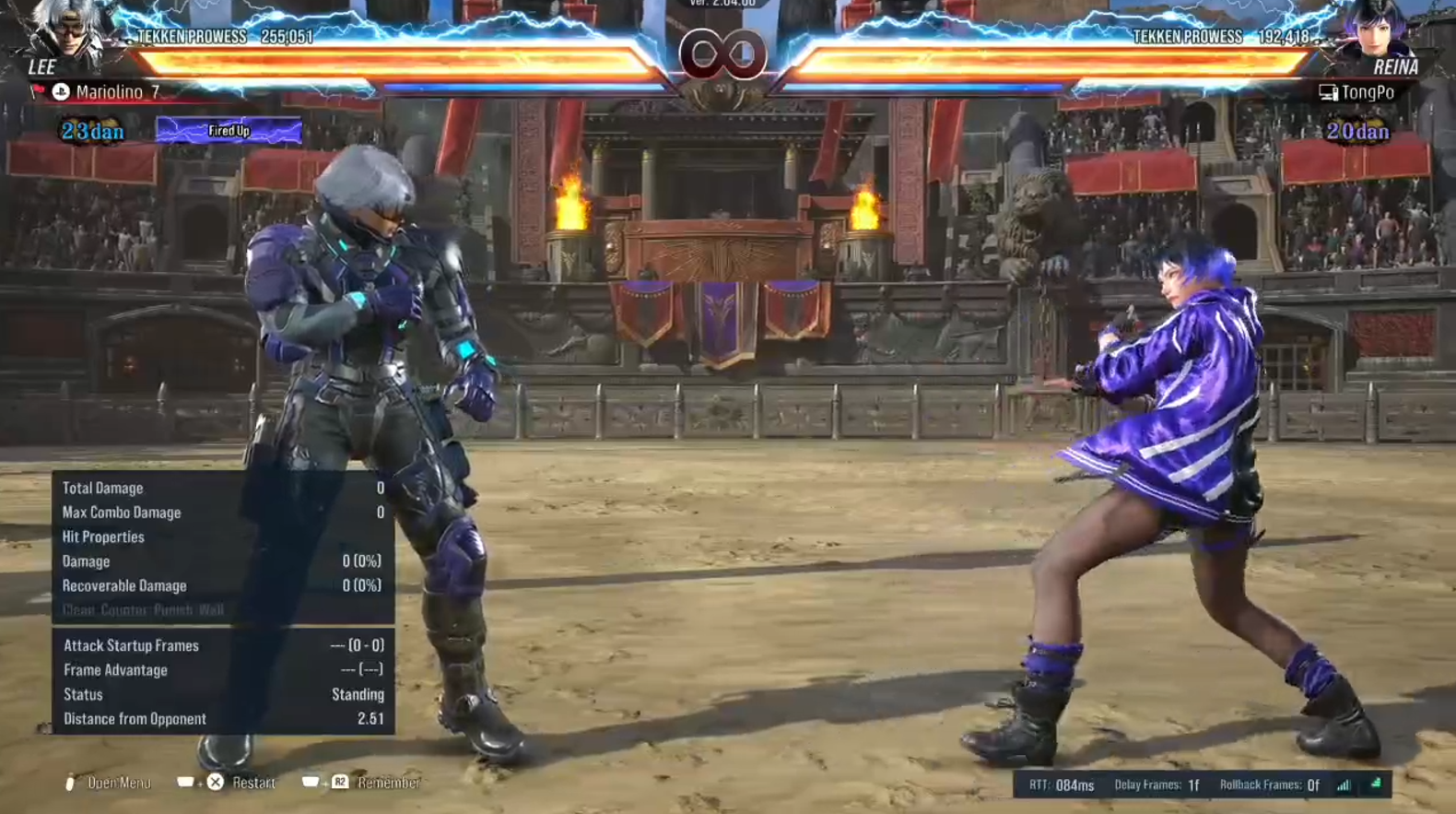
Advanced Movements
Korean Backdash (KBD)
This high-level technique involves canceling the backdash animation with a crouch (↙️), allowing for fast and responsive backward movement.
Special Movements
Crouch Dash and Wave Dash
Some characters have unique movement options that allow them to enter a temporary “Stance” (a dynamic fighting position lasting only a fraction of a second).
- The standard Crouch Dash command is always: ⬇️↘️➡️.
If instead you input ⬇️↘️ and press a button, the character will perform crouching moves rather than enter stance. This movement can also be canceled with a sidestep to the left (⬆️), enabling continuous loops and complex visual mix-ups. - WaveDash (➡️☆ ⬇️↘️) shares the same concept as Crouch Dash but allows for more cancels and covers significantly more forward ground. It can be canceled with a simple ➡️, transitioning into a forward cancel position (➡️➡️). Repeating (☆ ⬇️↘️) from here loops you back into WaveDash.